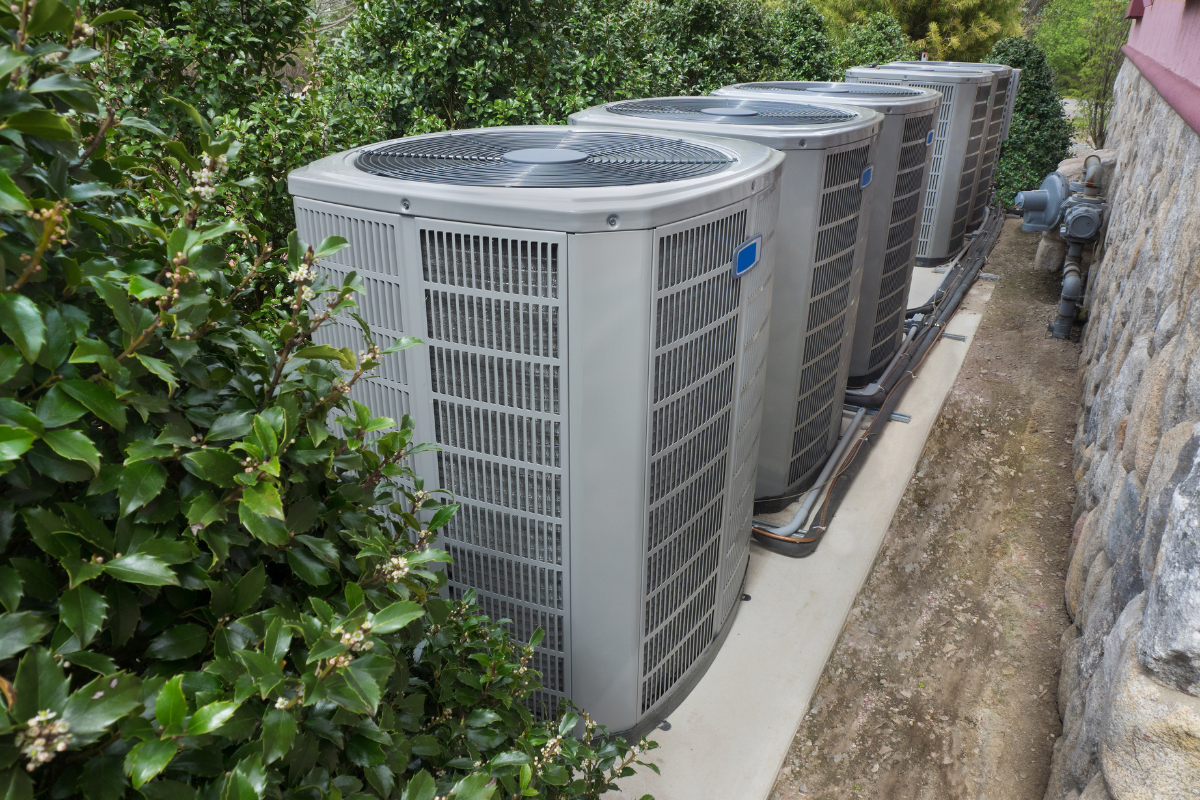
North Texas heat doesn’t negotiate. By late May, the sun starts pressing down on rooftops, attic temperatures climb past 120 degrees, and any weak link in a cooling system shows itself quickly. When I walk into a home in Dallas during a heat wave, I can usually tell within a few minutes whether a system is limping along or ready to be retired. Clients often ask for one simple rule, a single metric that says upgrade now. Real life doesn’t offer that. What you can look for is a pattern of symptoms. When several show up at once, AC installation in Dallas stops being a luxury and becomes the practical move.
Below are the clearest signs, grounded in what technicians see daily and what homeowners feel in their utility bills and comfort. I also fold in how to think about cost, timing, and which options make sense for different homes, from mid-century ranches in Lake Highlands to new builds in Frisco. If you are weighing AC unit installation in Dallas this season, use these signals to evaluate whether repair still pencils out or if air conditioning replacement in Dallas is the better play.
1) Your system is 12 to 15 years old, and repairs are getting frequent
Air conditioners don’t die on birthdays, but age sets the stage. Most split systems in our region last 12 to 15 years with average maintenance. Some push to 20 if they were installed well, sized correctly, and maintained without gaps. The trouble is, once compressors and blower motors reach their second decade, failures cluster. The first major repair tends to be followed by a second and third within two to three cooling seasons. I often remind clients that a $1,500 compressor replacement on a 14-year-old system is not just the $1,500. It’s also the risk you will need a new evaporator coil soon, or that the system will be down again during the hottest week of August when parts lead times stretch.
In Dallas, equipment also works harder than in milder climates. Long cycles in 100-plus weather accelerate wear, and attic units suffer from high ambient heat. If your system is in that 12 to 15-year window and you are averaging one significant repair each season, start pricing HVAC installation in Dallas before the next heat wave. Planning your AC installation in spring or fall avoids emergency premiums and provides more options.
2) Your summer electric bills jumped and never settled back down
Utility bills spike during heat waves, then should normalize. If you notice a permanent step-up, something changed. I look at year-over-year bills adjusted for weather, not just month-to-month. A 20 percent bill increase with the same thermostat setpoint suggests efficiency loss. Worn compressor valves, a failing capacitor that forces long starts, a clogged evaporator coil, or reduced refrigerant mass can all drive longer run times. You pay for those minutes.
If you have a single-stage unit from the mid-2000s with a SEER rating around 10 to 13, replacing it with a modern 16 to 18 SEER2 unit often trims summer usage by 20 to 35 percent, sometimes more in two-story homes that short-cycle. For a Dallas household paying $300 to $500 per month in peak season, that’s not theoretical. Over five years, the savings can offset a meaningful chunk of the equipment cost. The caveat: only if the new unit is sized and ducted correctly. A high-SEER system attached to undersized or leaky ducts is a sprinter running in heavy boots.
3) Rooms that never quite cool, hot upstairs and chilly downstairs
Every Dallas technician knows the story. The family room on the west side bakes from 4 to 7 p.m., the upstairs bedrooms sit five degrees warmer, and someone is tempted to set the thermostat to 68 to compensate. Old equipment may shoulder the blame, but the real culprits are often duct design, airflow, and load changes since the home was built. New windows, attic insulation, roof color, and shade trees all shift the balance. Over time, dampers get bumped, ducts sag in the attic, and return air paths get choked with dust or undersized filters.
When a system can’t handle these imbalances, it either runs constantly or short-cycles without removing humidity. Upgrading equipment gives you a chance to correct airflow and zoning. During AC unit installation in Dallas, you can adjust duct runs, add a return in an overheated room, or choose a variable-speed system that can modulate airflow to different parts of the house. You will not get that advantage from another round of patch repairs on a single-stage, fixed-speed blower.
4) Humidity feels high indoors, even when the thermostat hits the setpoint
Dallas doesn’t have Gulf Coast humidity, but the air holds enough moisture to matter. A healthy AC should maintain indoor relative humidity in a range that feels comfortable, usually 40 to 55 percent in summer. When you feel stickiness on your skin or notice that towels take too long to dry, your system likely has poor latent capacity or is short-cycling. Oversized units are notorious for this. They drop the temperature fast and shut off before the coil spends enough time cold to wring moisture from the air. Older systems also lose coil performance as fin surfaces get matted with dust or microbial growth, especially in attics without good filtration.
A properly sized, variable-speed system paired with a matched coil controls humidity better because it runs longer at lower fan speeds, allowing steady dehumidification. If your home’s air feels swampy at 74 degrees, and you keep turning the thermostat down to feel “dry,” you’re buying cold instead of comfort. That’s a sign it’s time to rethink the system rather than fight symptoms.
5) Repairs are unpredictable, and downtime disrupts life
I’ve sat with families waiting on a blower motor while the living room hits 88 degrees and a toddler’s nap goes out the window. In peak season, even responsive companies can face part shortages and overbooked schedules. When a system reaches the point where you’re gambling on the next breakdown, the intangible costs pile up. Temporary window units, hotel nights, wasted food, and working from a coffee shop become part of the calculus.
If your repair stack for the last three years includes a capacitor, a contactor, a refrigerant leak top-off, and now a coil leak with a quote that feels heavy, consider the timeline. A well-planned air conditioning replacement in Dallas eliminates that spiral. The new equipment warranty resets risk, and a quality installation should give you quiet seasons where maintenance is filter changes and a checkup, not emergency phone calls.
6) Your system still uses R-22 refrigerant
Any system from before 2010 could be running R-22, the old standard refrigerant that is now phased out. R-22 isn’t manufactured anymore, and reclaimed supplies get pricier each year. If your system has a refrigerant leak, the fill becomes expensive and uncertain. Many homeowners find themselves buying time with a $600 to $1,200 recharge that only holds for a season.
This is one of the clearer upgrade triggers. Even if your R-22 system cools today, investing in a repair that interacts with the refrigerant loop rarely makes sense. New systems run on R-410A or emerging blends approved under current regulations, and they pair with coils designed for higher pressures and improved heat transfer. If a technician shows you a nameplate that says R-22, start planning for replacement before the leak forces your hand in mid-July.
7) The system is noisy, rattles on start, or sends a rumble through the ducts
Noise is data. Grinding or shrieking at startup points to motor bearings or a failing condenser fan. A rattle that appears in the first two minutes can be a compressor struggling with inrush current or a contactor chattering under low voltage. Whistles in the return indicate starved airflow through a too-thick filter in a thin slot. If you hear whooshing that grows and fades during a cycle, the blower may be overdriving undersized ducts.
Modern equipment, especially with variable-speed compressors and ECM blower motors, runs quieter and smoother. During AC installation in Dallas, you can isolate the condenser on proper pads, add lined plenums, and size filters so the return path isn’t a bottleneck. Quiet is more than a nicety. It often correlates with efficiency and mechanical health.
8) The thermostat feels like a suggestion, not a command
Smart thermostats tell part of the story: they show duty cycles, humidity, and runtime. If a system takes hours to move from 78 to 74 in the evening, and mornings still start muggy, you might be under-capacity for your home’s load, especially after renovations that added west-facing glass or vaulted ceilings. Conversely, if the system overshoots setpoints, you may be oversized. Either way, persistent control problems suggest the equipment and the home are mismatched.
A correct HVAC installation in Dallas begins with a load calculation, not a guess based on tonnage from a 20-year-old unit. A Manual J calculation accounts for insulation, window orientation, infiltration, and attic conditions. When the math meets the lived experience of the homeowner, you end up with a system that hits setpoints without games.
9) Airflow smells off, dust builds fast, or allergies flare indoors
Stale odors when the system starts can indicate microbial growth in the coil pan, a dirty coil face, or duct leakage pulling attic air into supply runs. Excess dust points to return leaks that bypass the filter, common in older homes where panned returns use framing cavities instead of sealed ducts. You can throw money at filters and UV lights, and sometimes they help, but if the system and ductwork are past their prime, upstream fixes work better.
Replacing ductwork during AC unit installation in Dallas isn’t glamorous, and it can add cost, yet it is often the reason a new system performs like new for years rather than just the first summer. Sealed returns, proper filter racks, and mastic-sealed supply joints improve indoor air quality and protect the new coil from fast fouling.
10) You are planning to sell, rent, or settle in for a decade
Real estate timing drives HVAC decisions more than most people admit. If you plan to list your home in six months, a new, energy-efficient system with a transferable warranty can reduce inspection friction and improve offers. Buyers notice the age of HVAC on the seller’s disclosure, and appraisers consider it. For landlords in Dallas, upgrading before the AC strands a tenant in August avoids legal headaches and protects renewal rates. If you are settling in for a decade, installing now lets you choose a durable system and amortize the cost over many summers rather than nursing an old unit and paying more each year in energy and repairs.
How Dallas heat shapes system choices
Dallas is a cooling-dominant market. From roughly May through September, systems run many hours per day. That profile rewards modulation. Variable-speed and two-stage compressors shine because they match capacity to demand, reduce cycling losses, and manage humidity. On mild spring evenings, they idle along, sipping energy. At 5 p.m. on a 104-degree day with sun hammering the west side, they ramp up.
Attics matter too. Many air handlers sit in vented attics that regularly hit 120 to 140 degrees. That environment punishes electronics and reduces coil efficiency. During HVAC installation in Dallas, upgrading insulation, adding radiant barriers, or at least improving attic ventilation can pay back quickly. Even better, if the floor plan allows, moving the air handler into a conditioned closet reduces thermal stress. Not every house can accommodate that change, but asking the question during the design phase often reveals options.
The dollars and sense of replacing versus repairing
I like to map the decision with simple math and context. Gather the last three years of repair invoices. Add the quotes for pending repairs. If the total over a three-year window is creeping toward 30 to 40 percent of the cost of a new, properly sized system, lean toward replacement. Factor energy savings conservatively. If your existing system is SEER 10 to 12 and you move to SEER2 16 to 18, a 20 to 30 percent reduction in cooling energy is realistic in Dallas. Multiply that by your average summer bills over a season. Then decide how much you value risk reduction and comfort improvements like quieter operation and better humidity control.
One more nuance: financing and incentives. Local utilities and manufacturers often offer rebates for efficient equipment, and on occasion there are federal tax credits https://judahmrvu749.lucialpiazzale.com/ac-installation-dallas-preparing-your-home-for-the-install-day for certain high-efficiency or heat pump systems. These change year to year. Good contractors keep a running list and can model your net cost. If timing is flexible, you might align installation with a rebate cycle rather than rushing in the hottest week of the year.
Sizing and ductwork, the twin pillars of performance
I’ve seen pristine, high-end equipment disappoint because the ductwork choked it from day one. Air conditioners are part of a system. If supply trunks are undersized, if returns are an afterthought, or if the filter rack constricts airflow, you can’t buy your way out with a shinier condenser. During AC installation in Dallas, ask your contractor for three things: a Manual J load calculation, a Manual D duct design or at least static pressure measurements that justify duct changes, and a commissioning report with superheat, subcooling, and static pressure readings. These aren’t certificates to frame. They’re proof that the equipment can breathe and will deliver what it promised on the brochure.
If your home has obvious duct issues, budget for corrections. That might mean adding a return in a hot upstairs hall, resizing a couple of runs to west-facing rooms, or sealing and supporting flex duct that now sags like a hammock. Modest duct upgrades frequently make a bigger comfort difference than moving from a 16 to an 18 SEER unit.
What installation quality actually looks like
When people search for AC installation Dallas, they’ll see a spread of prices. The low bid might be missing the quiet work that makes systems reliable. Good installation practices include accurate refrigerant charge verified by measurements, line sets flushed or replaced rather than just re-used blindly, filter driers installed in the correct location, proper evacuation to low micron levels with a micron gauge, and nitrogen sweeps during brazing to keep the lines clean. Electrical disconnects and breakers must match the condenser’s nameplate, and condensate management should include a primary line with slope, a secondary pan, and float safety switches that shut the system down before water stains a ceiling.
I still carry a mental picture of a beautiful condenser ruined early by acidic oil because the installer brazed without nitrogen and never evacuated below 500 microns. It ran fine for a few weeks. Then it didn’t. Installation quality is invisible when it’s good, and glaring when something fails early. Ask for the paperwork and the commissioning data. A serious contractor will gladly share it.
When repair still makes sense
Not every old system deserves the scrap heap. If your unit is 9 years old, well maintained, cooling evenly, and suddenly needs a blower motor, repair it. If you have a minor refrigerant leak at a service valve and the system is R-410A, fix it and move on. If your summer bills are steady and comfort is good, there’s no prize for replacing early just for the sake of it. Edge cases also include homes planning a remodel in a year that will change loads significantly. You might bridge with a targeted repair, then right-size after the remodel. The key is intentionality: spend money knowing whether it’s a bridge or a destination.
Heat pumps in Dallas, not just for the coasts
Historically, Dallas leaned on gas furnaces with electric AC. Heat pumps have improved dramatically, and our winters are mild enough that modern heat pumps handle heating without much auxiliary heat. If your gas furnace is aging along with your AC, a heat pump can simplify the system and reduce utility bills, especially if you have access to favorable electric rates or rooftop solar. Dual-fuel systems also exist, running the heat pump most of the time and switching to gas on the coldest mornings. During HVAC installation in Dallas, evaluating a heat pump isn’t just a trend. It can be a practical, efficient choice that cools as well as any AC and heats efficiently through most of our winter.
What a thoughtful replacement process includes
- A conversation about comfort pain points in each room, not just tonnage. This is where a west-facing nursery or a home office with equipment heat gains gets flagged. A load calculation and static pressure measurement to inform sizing and any duct modifications. Without the numbers, you’re guessing. Clear options at different efficiency levels with net costs after rebates, plus a simple payback comparison based on your utility usage. A written scope that covers line set approach, condensate safety, pad and isolation details, thermostat integration, and commissioning steps with target numbers. Post-install follow-up after a week or two of runtime to tweak airflow or thermostat settings based on real use.
Avoiding common pitfalls during AC unit installation in Dallas
One pattern I see is homeowners focusing on brand more than execution. There are differences between manufacturers, but parts availability, installer familiarity, and support often matter more. Choose the company first, the badge second. Another pitfall is upsizing to “be safe.” Oversizing leads to short cycles, humidity issues, and noise. Conversely, undersizing to save money creates constant runtime and uneven rooms on extreme days. The right size is the one the home needs, not the next step up or down.
Thermostat compatibility also trips people up. Pairing a smart thermostat with a variable-speed system requires correct configuration and, in some cases, a communicating thermostat from the manufacturer to unlock staging and dehumidification features. If you care about indoor air quality, integrate the filter choice with the system’s static pressure limits. Stuffing a 2-inch MERV 13 into a 1-inch rack is not an upgrade. It’s a choke point.
A quick self-check before you call for quotes
- Gather the last two to three years of summer electric bills and note thermostat setpoints and any big lifestyle changes. List the rooms that are chronically uncomfortable, the times of day when it’s worst, and any humidity complaints. Note the system age from the nameplate, the refrigerant type, and any major repair history with dates and costs. Check filter size and replacement frequency, and take a photo of the return and supply trunks near the air handler. Decide your time horizon in the home and whether any remodels are coming that would change loads.
Bring this to a contractor who does both AC installation and duct work. You’ll get better proposals because you’re giving them better input.
The bottom line for Dallas homeowners
If two or three of the signs above describe your situation, you probably have time to plan, gather quotes, and schedule AC installation in Dallas before summer peaks. If five or more apply, especially age, rising bills, humidity problems, and R-22, replacement is usually the efficient choice. A well-installed system sized to your home and supported by sealed, correctly sized ducts feels different. The thermostat becomes a quiet background detail. Rooms even out. Bills stabilize. And the first 100-degree day becomes less of a stress test and more of a shrug.
When you weigh options for HVAC installation in Dallas, focus on the fundamentals: correct sizing, duct performance, and installation quality. Brands matter, but not as much as the hands that set pressures, slope the condensate line, and seal the return. If you get those details right, your next decade of summers will feel a lot more manageable. And you’ll spend fewer evenings searching for “emergency air conditioning replacement Dallas” while the house swelters.
Hare Air Conditioning & Heating
Address: 8111 Lyndon B Johnson Fwy STE 1500-Blueberry, Dallas, TX 75251
Phone: (469) 547-5209
Website: https://callhare.com/
Google Map: https://openmylink.in/r/hare-air-conditioning-heating